Why Product Packaging Should Be Considered When Designing Retail Displays
Product packaging and retail displays serve different purposes, but once a product reaches the store floor, they become part of the same presentation.
Packaging carries the product itself while communicating important branding and information. The retail display creates the environment where that package is organized, presented, and ultimately discovered by shoppers. When these two elements work together, the overall presentation can feel intentional and make the merchandise easier to understand and interact with.
That is why the physical and visual characteristics of product packaging should be considered early in the retail display design process.
Start With the Physical Size and Shape of the Product
Before designing how a display will look, it is important to understand exactly what it needs to hold.
Package height, width, depth, and overall shape all influence how products can be arranged. Orientation matters too. Some products may be designed to stand upright, while others have shapes that require a different approach.
Quantity is another consideration. How many products should shoppers see at once? How much inventory does the display need to accommodate before restocking?
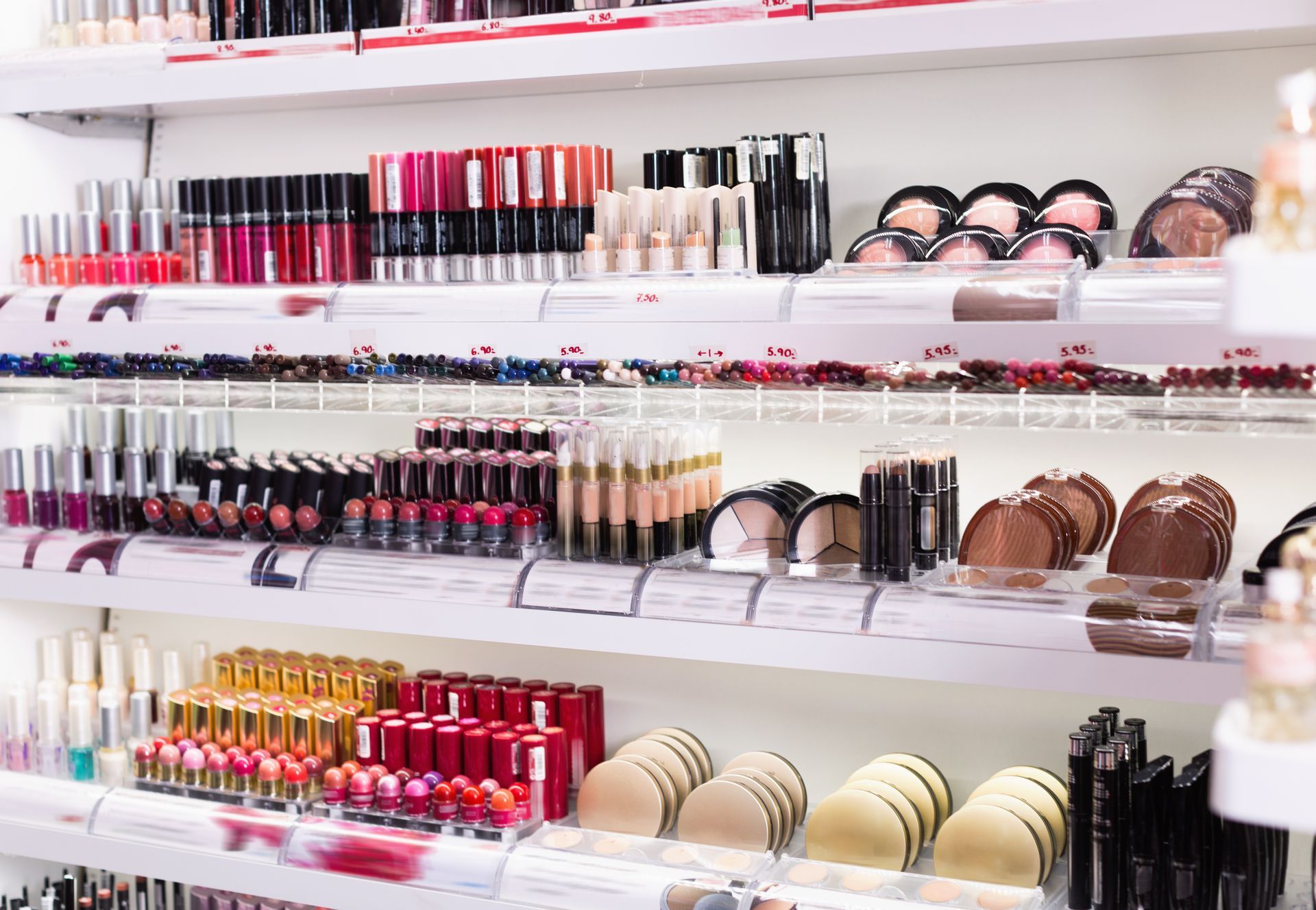
Designing around actual package dimensions can help make better use of available space while avoiding a presentation that feels either overcrowded or unnecessarily empty.
Consider Which Part of the Packaging Customers Need to See
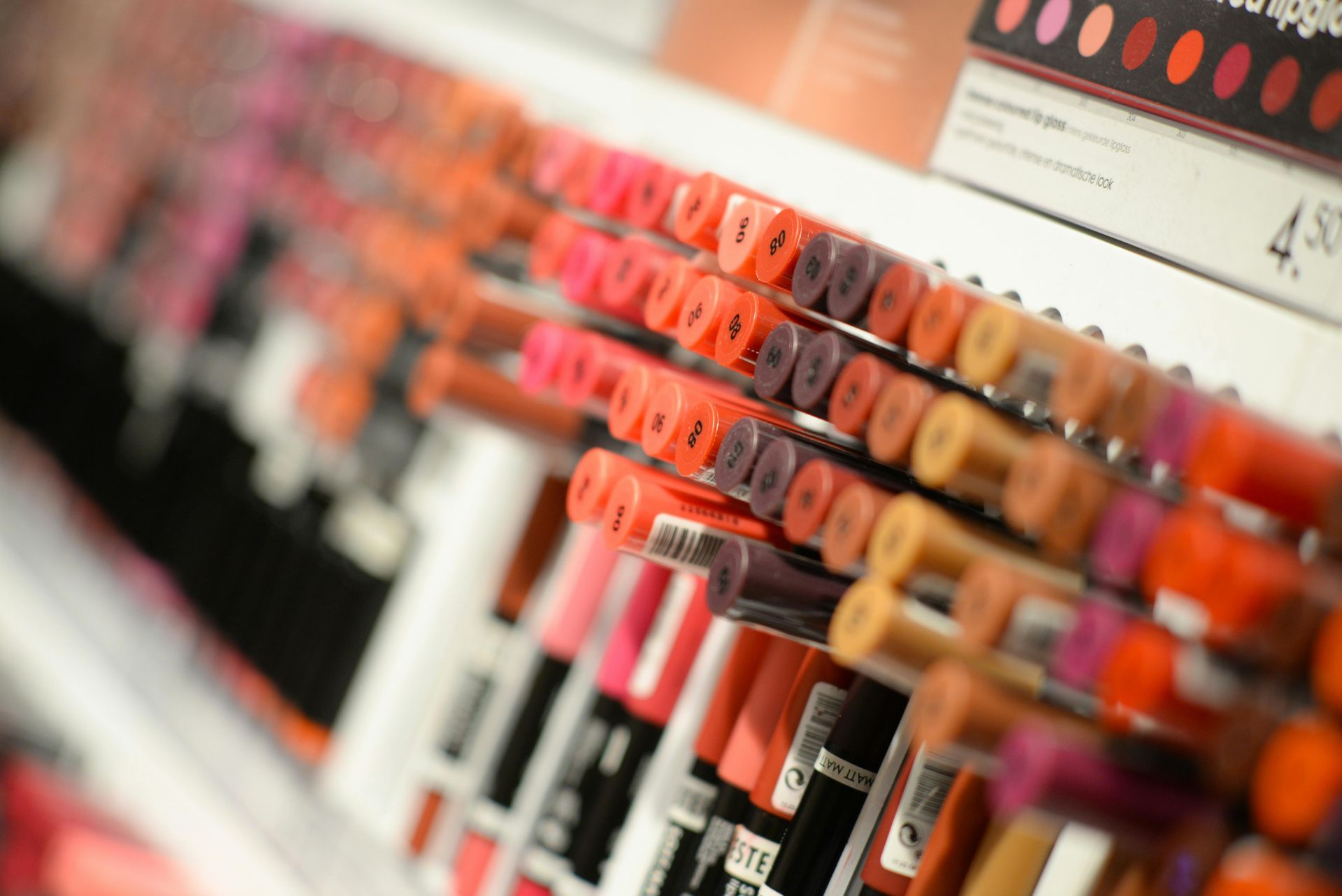
Packaging is often designed to communicate with shoppers. The front of a package may feature a product name, logo, imagery, or important details intended to capture attention and help customers understand what they are looking at.
A retail display should support that presentation.
Products packed too tightly together may obscure important information. Shelves, dividers, or other display components can also interfere with packaging if their placement is not considered in advance.
Thinking about how shoppers will see merchandise from the aisle can help determine where products should be positioned and how much of each package should remain visible.
Let the Display Complement the Product's Branding
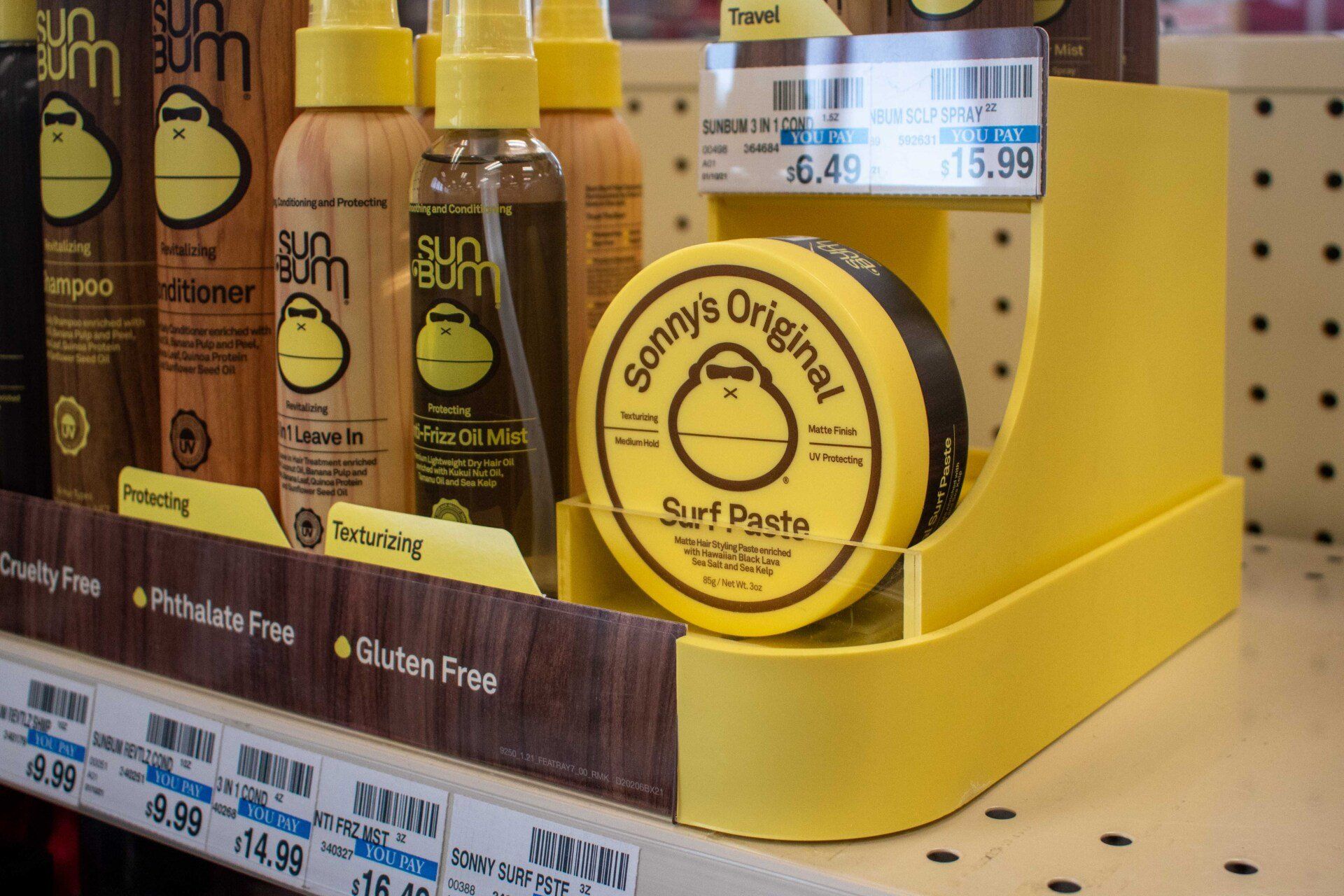
Because the display and packaging will be seen together, their visual elements should feel connected.
Color, graphics, signage, materials, and overall style can all contribute to that relationship. The display does not need to duplicate every element of the package. In fact, giving the merchandise enough space to remain visually distinct can help keep the product itself at the center of the presentation.
The goal is a cohesive environment where the display reinforces the brand without competing with the packaging for attention.
Think About How Customers Will Interact With the Product
A retail display has to work beyond its initial appearance.
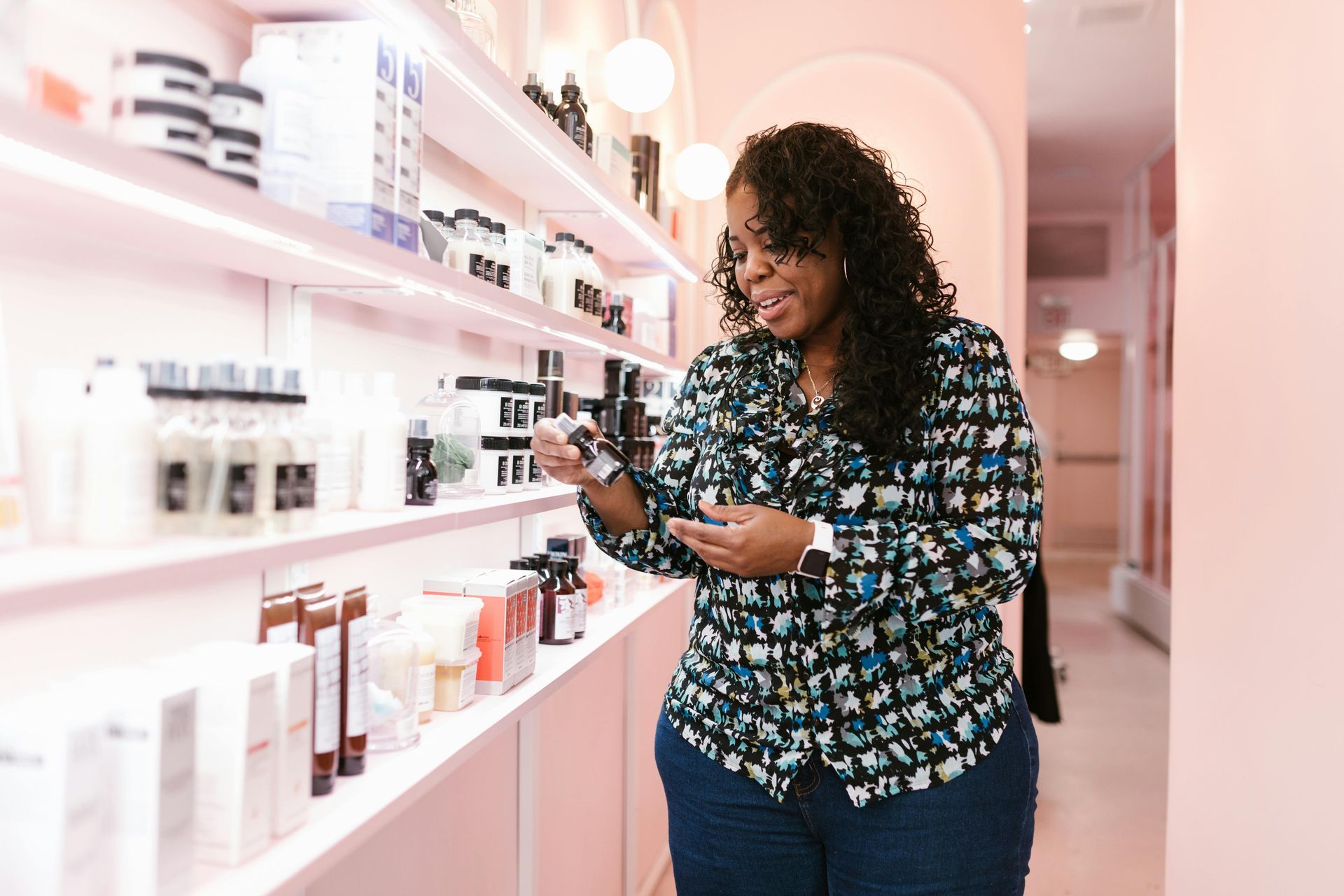
Once shoppers begin interacting with it, products need to be accessible and easy to understand. Can someone comfortably remove an item? Can different options be compared? Does the merchandise remain organized as products are taken from the display?
These questions become especially important when products come in several sizes, colors, models, or variations.
Considering customer interactions early in the design process can help create a display that remains functional as it moves from a design concept to an active retail environment.
Don't Forget About Restocking
Customers are not the only people who need to interact with a retail display. Employees may also need to replenish and reorganize merchandise regularly.
A display that looks great when completely stocked should remain practical as products are sold and replaced.
Think about how merchandise will be loaded onto the display and whether individual variations can be easily located. Products should also be arranged in a way that employees can reasonably maintain over time.
Accounting for restocking during the design process can help the display support everyday retail operations while maintaining a consistent presentation.
Consider What Happens If Packaging Changes
Product packaging does not necessarily remain the same forever. Brands may update graphics, introduce new sizes, expand a product family, or develop promotional versions of existing products.
Not every retail display needs to accommodate every possible future change. However, it can be useful to consider how long the display is expected to remain in use and whether the product line is likely to evolve during that period.
Planning with those possibilities in mind can help brands determine how much flexibility they want to build into the display.
Treat the Product and Display as One Retail Experience
Successful retail presentation involves more than designing an attractive fixture and adding products afterward.
Packaging dimensions influence how merchandise fits. Branding influences how the product and display look together. Accessibility shapes customer interaction, while organization affects ongoing restocking and use.
Considering these factors together can lead to a retail display that is better suited to the product it was designed to present.
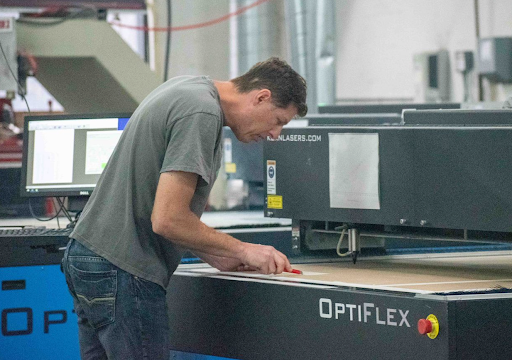
Exactec works with businesses to develop custom retail display solutions around their products, presentation goals, and retail environments. By considering the product and its packaging from the beginning, brands can create displays that support both function and a cohesive in-store presentation.
Contact us today to get started!